

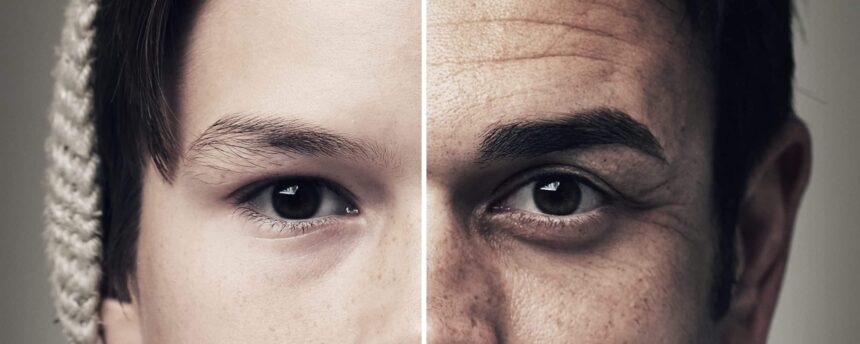
Getting older brings plenty of subtle adjustments, and your eyes are no exception. If you’ve recently found yourself holding a menu at arm’s length or turning on an extra lamp to read the newspaper, you’re not alone. Understanding vision changes with age is the best way to keep your eyes comfortable and healthy for years to come.
What Are the Most Common Age-Related Vision Changes?
As years go by, the structure inside your eyes naturally evolves. These are the most common eye changes that can occur with age:
- Presbyopia can start in your early to mid-40s; that’s when the eye’s natural lens becomes less flexible, which makes it harder to focus on close-up text, watch displays, or fine print.
- Dry Eyes occurs when tear production decreases. Your eyes might feel gritty, irritated, or even surprisingly watery as they try to compensate for poor tear quality.
- Need brighter lights because the pupil shrinks slightly and becomes less responsive to changes in light as you age.
- Cataracts, which are the natural lens inside your eye, gradually become cloudy over time, leading to slightly dimmed colors, hazy vision, and reduced clarity.
Why Is My Eyesight Suddenly Getting Worse?
Gradual shifts are a normal part of getting older; you might be asking yourself, “Why is my vision getting worse so fast?”
It’s important to separate slow, natural changes from sudden ones. Gradual decline usually points to standard refractive shifts or slow-developing cataracts. However, sudden vision changes are not a standard part of aging and should always be checked by an eye doctor immediately.
Possible causes of sudden vision changes include several urgent eye conditions, most notably retinal detachment or tears, wet macular degeneration, and acute glaucoma. These conditions often develop rapidly and require immediate medical evaluation to protect your sight. Other potential causes include corneal issues or infections, and vascular conditions, such as retinal blood vessel blockage (i.e., eye stroke).
If you experience a sudden eye emergency, get medical attention right away.
How Do I Stop My Eyesight From Getting Worse?
We can’t pause the clock as we age; that’s why it’s important to protect your sight, which starts with a strong medical foundation. Scheduling annual comprehensive eye exams helps to catch conditions like glaucoma that can develop quietly without early warning signs. Equally important is managing your overall health; conditions like diabetes and high blood pressure directly impact the microscopic blood vessels in your retina, making routine checkups with your doctor essential.
Along with regular checkups, these simple daily habits can help slow down age-related vision changes:
- Protect your eyes from UV rays by wearing sunglasses that block 100% of UVA and UVB light year-round to help delay cataracts and protect delicate retinal cells.
- Eat eye-healthy foods such as dark leafy greens rich in lutein and zeaxanthin, omega-3s from salmon or flaxseed, and vitamins C and E.
- Give your eyes a break when you spend long hours reading or on screens; follow the 20-20-20 rule – every 20 minutes, look at something 20 feet away for at least 20 seconds.
Keep Your Sight Sharp at Relf Eyecare
Aging is natural; living with blurry or uncomfortable vision is not. Whether you need a simple reading prescription tweak, relief from dry eyes, or routine monitoring for conditions like cataracts or glaucoma, our team is here to help you see comfortably through every chapter of life.
Ready for your annual checkup? Contact Relf Eye Care today to schedule your comprehensive eye exam!